
WHAT THE DOG SAW
by MALCOLM GLADWELL. Photo credits Stanfords & Bella Book.
SELF-HELP
10/2/20252 min read
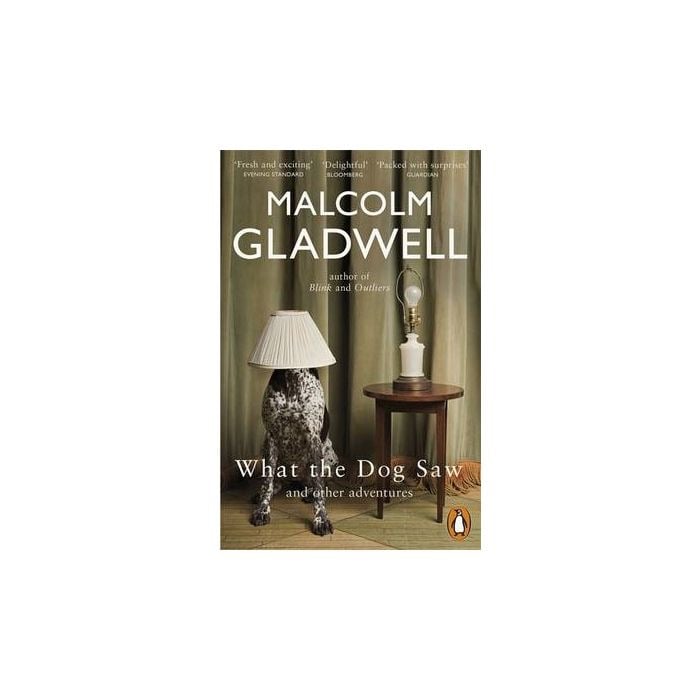
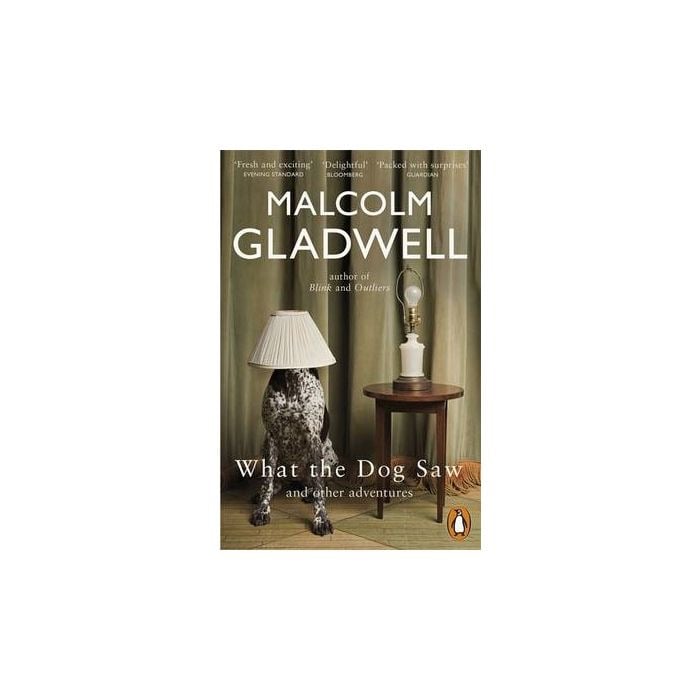
What the Dog Saw: And Other Adventures by Malcolm Gladwell is not a traditional book with a single thesis, but rather a captivating collection of the author's best journalism. It succeeds brilliantly in making complex ideas about human behavior, success, and failure both relatable and deeply relevant to our everyday lives and decisions .
The book is a curated compilation of 19 articles Gladwell originally published in The New Yorker . The essays are grouped into three sections that explore different facets of human endeavor:
· Part One: Obsessives, Pioneers, and Minor Geniuses profiles passionate individuals who have mastered their crafts, from the infomercial king Ron Popeil to "dog whisperer" Cesar Millan .
· Part Two: Theories, Predictions, and Diagnoses investigates why we so often misread situations and fail to predict outcomes, with analyses of events like the Challenger disaster and the Enron collapse .
· Part Three: Personality, Character, and Intelligence questions our methods for judging people, from how we hire employees to our misconceptions about breeds of dogs .
Gladwell's core talent is turning dry academic research into engaging narratives. The book's true value lies in the powerful, practical mindsets it encourages.
Gladwell questioning conventional wisdom repeatedly shows that things are not as simple as they seem. He argues that the Challenger explosion was not caused by a lack of data but by a flawed interpretation of abundant data . Similarly, he challenges the idea that homelessness is a widespread problem, suggesting it often follows a "power law" where a very small number of individuals consume the most resources—an insight that could lead to more effective solutions . This teaches us to look beyond surface-level explanations.
The book also makes a crucial distinction between "choking" (failing due to overthinking) and "panicking" (failing by reverting to instinct) . Understanding the difference is essential for learning from mistakes in high-pressure situations, whether in sports, exams, or business .
The title essay embodies the book's central theme. To understand a dog's behavior, you must try to see the world as the dog does . This principle applies everywhere: great marketers understand their customers' deepest desires , and effective leaders understand the viewpoints of their teams. This shift in perspective is a key to innovation and empathy.
What the Dog Saw is an excellent introduction to Gladwell's thinking. While some critics point to occasional oversimplifications , the book achieves its stated goal: to engage you and make you think . The essay format makes it perfect for reading in short bursts, with each chapter offering a fresh, thought-provoking adventure.
If you enjoy having your assumptions challenged and seeing the familiar world in a new light, you will find this book both stimulating and highly relevant.