
UNLIMITED POWER
by ANTHONY ROBBINS. Photo credits Amazon.
SELF-HELP
10/13/20252 min read
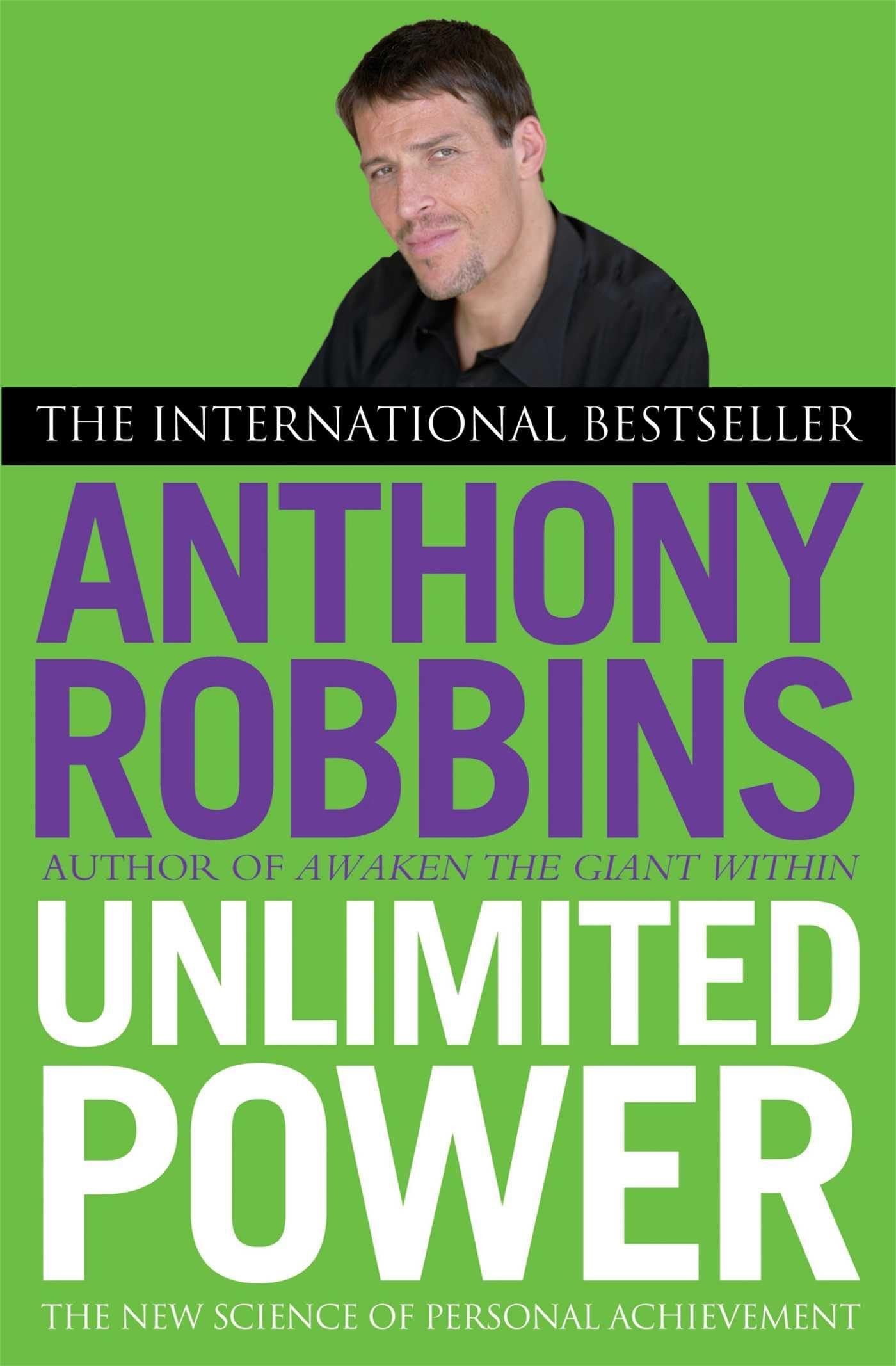
Of all the promises a self-help book can make, “unlimited power” is perhaps the most audacious. Yet, in Anthony Robbins' classic, Unlimited Power, this bold claim is broken down into a surprisingly practical and relatable system. The book isn’t about gaining superhuman abilities; it’s about mastering the internal power you already possess—the power to change your state, direct your focus, and shape your life’s outcomes. For anyone feeling stuck or reactive to life’s challenges, its core message is both empowering and immediately useful.
The most impactful concept Robbins introduces is the connection between our physiology and our emotional state. He argues you cannot separate your mind from your body. If you’re feeling down, you’re likely slouching, breathing shallowly, and frowning. The powerful flip side of this is that you can change how you feel simply by changing your physical posture. Standing up straight, putting a smile on your face, and taking a deep breath isn’t just cliché advice; it’s a neurological reset button. This is incredibly relevant before a stressful meeting, a difficult conversation, or anytime you need to shift from a negative funk to a resourceful state.
Beyond physiology, Robbins delves into the power of focus. He teaches that where your focus goes, your energy flows. If you constantly focus on what can go wrong, your world will feel anxious and limited. If you consciously focus on solutions and opportunities, you create a reality of possibility. This is paired with the transformative tool of “Transformational Vocabulary”—the words you use to describe your experience. Telling yourself you’re “devastated” by a minor problem creates far more suffering than saying you’re “annoyed.” By upgrading our language, we can dramatically reduce the emotional charge of daily stressors.
Unlimited Power is not a light read; it’s a dense training manual rooted in Neuro-Linguistic Programming (NLP). Some of the terminology can feel dated, and its sheer volume of strategies can be overwhelming if you try to implement them all at once. The true value, however, lies not in memorizing every technique, but in embracing its central thesis: you are not a passive victim of circumstance.
By taking command of your body, your focus, and your words, you unlock a more proactive and confident version of yourself. The “unlimited power” Robbins describes is really the profound ability to choose your response to any situation. For anyone ready to move from being a passenger to the driver in their own life, this book provides a powerful and enduring roadmap.