
THE ZAHIR
by PAULO COELHO. Photo credits Mithun Ivakar & thepinaytraveler.
SELF-HELP
9/15/20252 min read
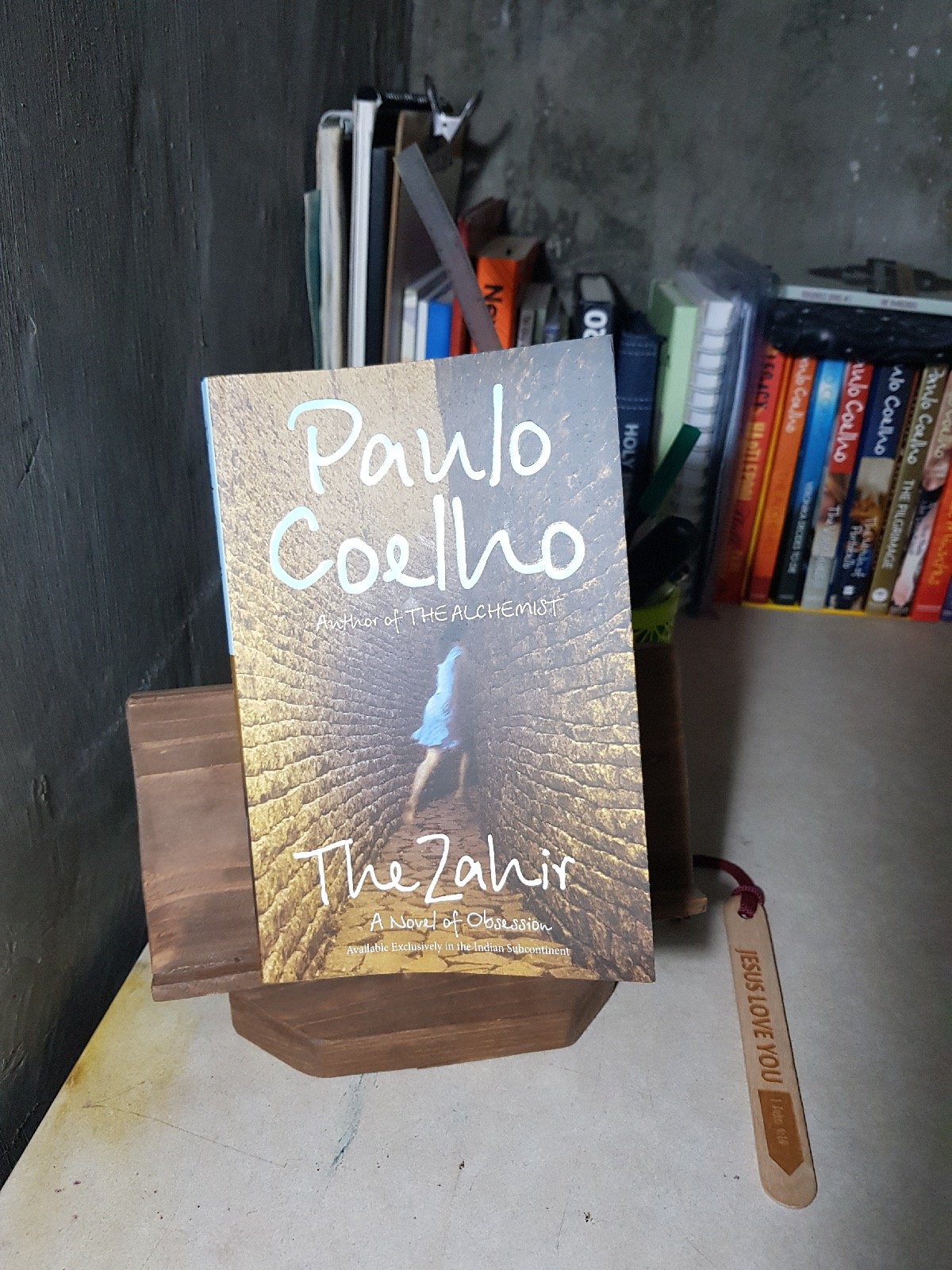
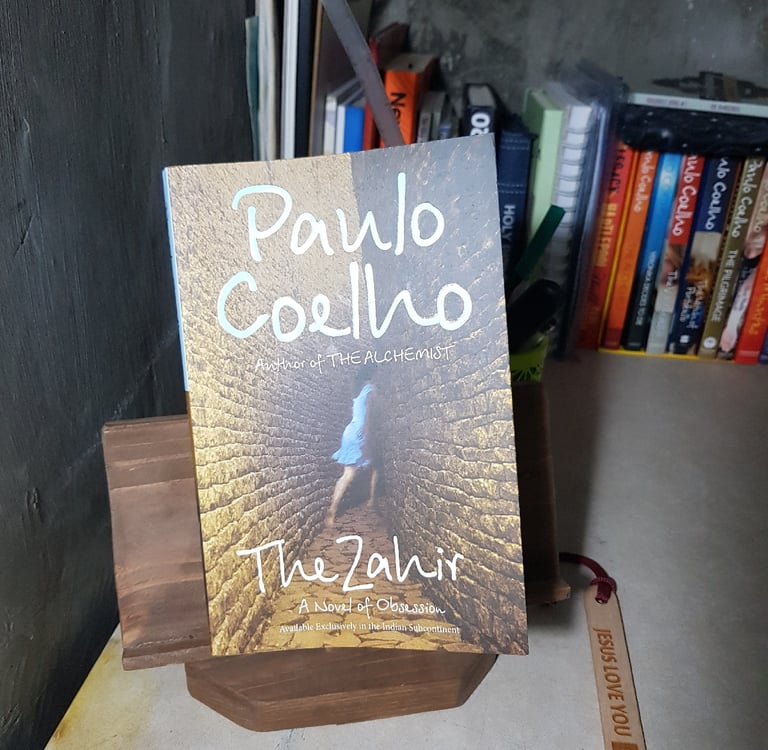
What happens when you have everything the world says you should want—fame, fortune, a successful career—and yet you feel an inexplicable emptiness? This is the central question of Paulo Coelho’s profound novel, The Zahir.
The story is told by a famous novelist (a clever self-insert by Coelho) whose wife, Esther, a war correspondent, disappears without a trace. While she is his “Zahir”—an Arabic term for something so obvious we can’t see it or something we obsess over—the book is about so much more than a missing person. It is a journey into the meaning of love, freedom, and the cages we build for ourselves.
The most relatable lesson is its exploration of love not as ownership, but as a choice. We see how the narrator, in his comfort and routine, had begun to take his brilliant wife for granted. His quest to find her becomes a quest to rediscover himself and understand what she truly needed: not a provider, but a true partner who saw her as an equal, free spirit.
This book is packed with Coelho’s signature wisdom on overcoming fear and following your Personal Legend, but it feels more grounded, more mature. It deals with the complexities of a long-term relationship, the weight of compromises, and the courage required to reinvent yourself even after you’ve achieved “success.”
One key factor that differentiates The Zahir from Coelho’s other works is its raw, autobiographical feel. By placing himself as the protagonist, Coelho lends an authenticity and vulnerability to the narrator’s mid-life crisis that is incredibly powerful. It’s not a fable like The Alchemist or a historical quest like The Pilgrimage; it’s a story set in our modern world of celebrities and media, making its spiritual lessons feel immediately accessible and urgent.
To the world, The Zahir offers a crucial message: true love does not clip wings; it encourages flight. In an era where we are so often defined by our jobs, possessions, and social media personas, this book is a gentle but firm reminder that the greatest journey is the one that brings us back to ourselves and to the simple, liberating truth of unconditional love.