
THE WITCH OF PORTOBELLO
by PAULO COELHO. Photo credits Amazon & Linkshop.
SELF-HELP
9/15/20252 min read
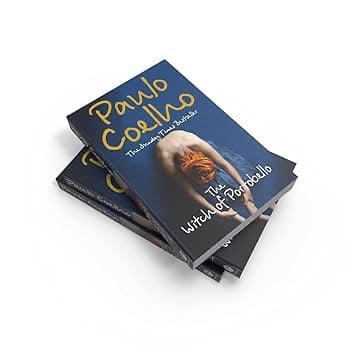
Paulo Coelho’s The Witch of Portobello is a haunting and deeply spiritual novel that stands out in his celebrated body of work. While classics like The Alchemist and Brida explore universal quests for purpose through allegory and myth, this book distinguishes itself through its unique narrative structure. Instead of a linear story, Coelho pieces together the life of the enigmatic Athena—also known as Sherine Khalil—through a series of interviews and perspectives from those who knew her. This mosaic of voices includes her adoptive mother, ex-husband, spiritual mentors, and even detractors, creating a rich, multifaceted portrait of a woman who defies easy categorization. This approach not only adds depth to her character but also invites readers to question the nature of truth and perception.
At its heart, The Witch of Portobello is a profound exploration of the divine feminine and the courage required to embrace one’s true self in a world that often demands conformity. Athena’s journey—from an orphaned child to a charismatic spiritual leader—reflects a deep yearning for meaning that resonates with many today. In an era where rigid structures of religion and society still stifle individuality, her quest to reconnect with the “Mother” (the feminine face of God) feels both revolutionary and deeply necessary. Coelho challenges readers to reconsider the balance between masculine and feminine energies, urging a return to intuition, love, and spiritual freedom.
The novel also delves into themes of identity, sacrifice, and the price of nonconformity. Athena’s unwavering authenticity attracts followers but also sparks fear and hostility, leading to her tragic end. This mirrors modern struggles against societal judgment, particularly for women who dare to reclaim their power. As one of her mentors notes, Athena embodies four archetypes at once—the Virgin, the Martyr, the Saint, and the Witch—symbolizing the complexity of feminine strength.
For contemporary readers, The Witch of Portobello offers a powerful reminder that the pursuit of self-discovery is often messy, controversial, and deeply personal. Its lessons on love, resilience, and the importance of challenging dogma are more relevant than ever in a world grappling with issues of gender equality and spiritual awakening. Coelho’s masterpiece not only tells a captivating story but also ignites a conversation about the divine within us all.