
THE WHITE PRINCESS
A novel by Philippa Gregory. Photo credits Dab of Darkness Book & Laurel Lane.
HISTORICAL FICTION
4/11/20262 min read
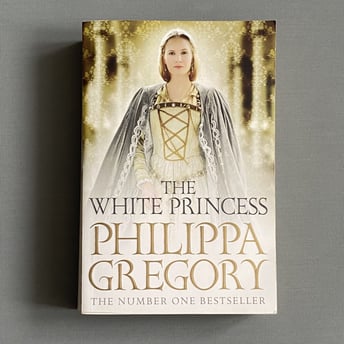
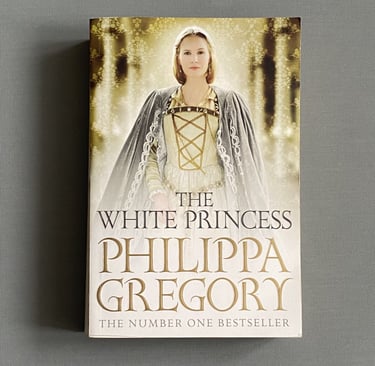
There is a particular silence that falls over a woman who must share her body with her enemy.
Elizabeth of York learned that silence young. She learned it in the Tower, watching her brothers disappear. She learned it in her mother's whispers, her grandmother's schemes, her own reflection in the glass—a face that belonged to the House of York but must learn to smile for the House of Tudor.
Philippa Gregory's The White Princess is not the story you think you know. It is not about princes in towers or battles on fields. It is about mornings. The mornings after. The slow, unbearable dawns when Elizabeth wakes beside the man who killed the cousin she loved, the uncle she mourns, the past she cannot bury.
I read this book with my hand pressed to my chest, waiting for the blow. It comes differently than expected.
Gregory does something remarkable here. She refuses to give us a love story. She refuses to give us hatred, either. Instead, she gives us something far more truthful—two people locked in a room together for decades, learning to breathe the same air, learning to want the same things, learning that survival sometimes looks exactly like affection from the outside.
Elizabeth's mother, the White Queen, haunts every page. Margaret Beaufort, the Red Queen, hunches in the shadows, praying, scheming, waiting for her son to need her more than he needs his wife. Between them, Elizabeth stands alone, bearing child after child, watching her mother fade, watching her cousins die, watching pretenders rise from every corner claiming to be her lost brothers. Is any of them real? Does it matter? They die anyway. They all die anyway.
The most devastating passages are not the executions. They are the quiet moments. Elizabeth helping Henry dress. Henry reaching for her hand during council. The slow, terrible realization that they are not enemies anymore, not friends either, but something the world has no name for—co-conspirators in the business of staying alive.
By the end, you understand. The White Princess was never white at all. She was every color of grief and compromise and quiet courage. She was the woman who closed her eyes and opened them again, day after day, until the man beside her stopped being the enemy and started being simply the man beside her.
Read this book if you want to understand how peace is really made. Not with treaties. With mornings. With silences. With women who learn to love what they cannot escape.