
THE RICHEST MAN IN BABYLON
by GEORGE S. CLASON. Photo credits Amazon.
SELF-HELP
8/24/20251 min read
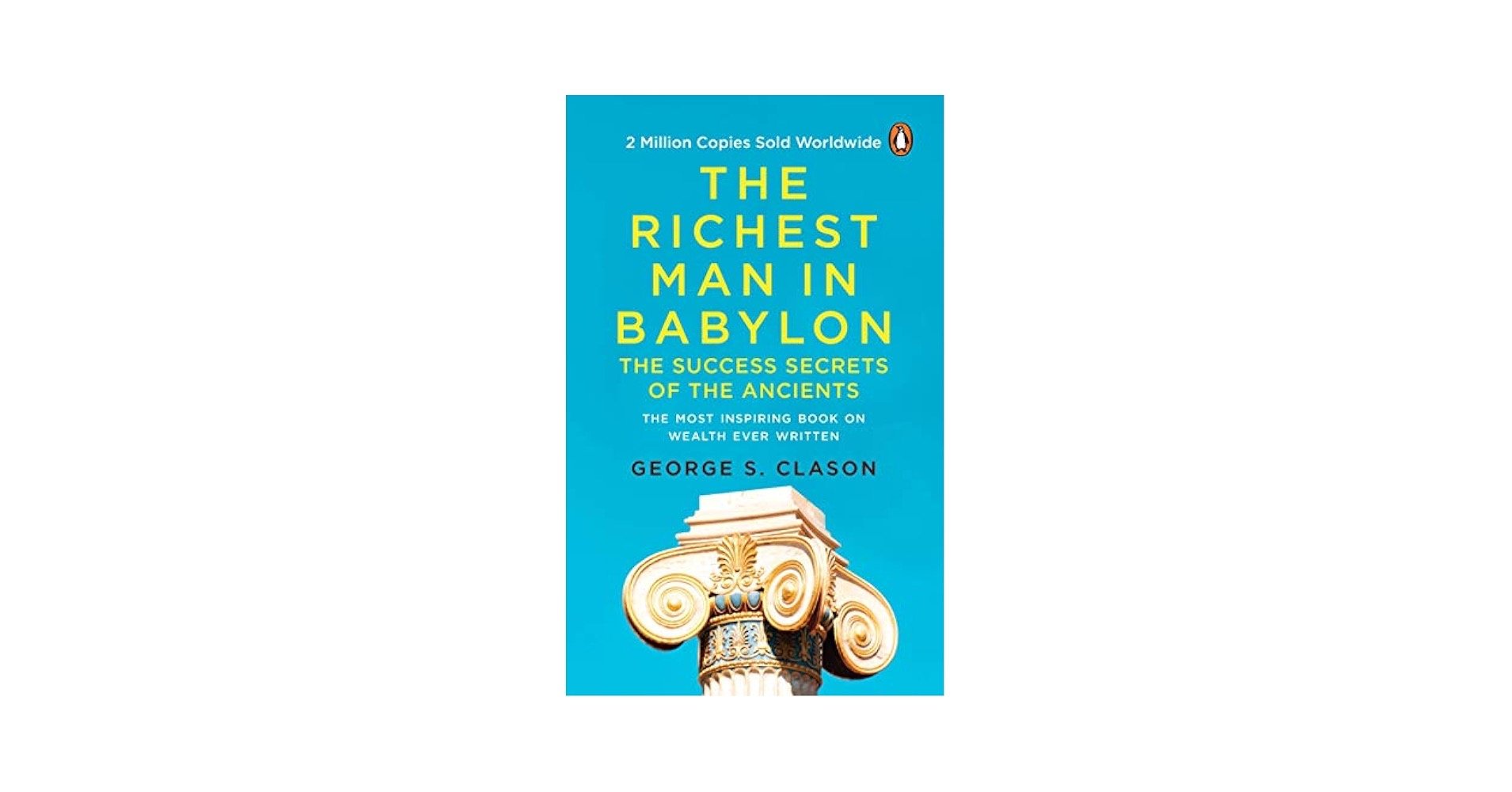
The Richest Man in Babylon, first published in 1926, remains a cornerstone of personal finance literature. George S. Clason’s classic uses parables set in ancient Babylon to deliver practical lessons on wealth building. Despite its age, the book’s principles feel surprisingly relevant today. As one reviewer notes, "The laws of money are like the laws of gravity: assured and unchanging" .
The book’s core advice is distilled into "Seven Cures for a Lean Purse" and "Five Laws of Gold." Here are some standout lessons I would like to emphasize on.
Pay Yourself First: Save at least 10% of your income before spending on anything else. This habit, as Arkad (the richest man in Babylon) advises, is the foundation of wealth .
Control Your Spending: Distinguish between needs and desires. As Clason warns, "What each of us calls our ‘necessary expenses’ will always grow to equal our incomes unless we protest to the contrary" .
Make Money Work for You: Invest wisely to generate passive income. "Gold laboreth diligently for the wise owner," emphasizing compound interest and smart investments .
Avoid Get-Rich-Quick Schemes: Protect your wealth by avoiding risky ventures. "Gold flees the man who forces it into impossible earnings," a reminder to prioritize safety over greed .
Increase Your Earning Capacity: Continuously learn and improve your skills. "The more of wisdom we know, the more we may earn" .
What makes this book enduringly popular is its simplicity and relatability. The stories, like the spear-maker Rodan seeking advice on lending money, illustrate common financial dilemmas . The advice feels accessible, whether you’re struggling with debt, saving for retirement, or aiming to invest. For instance, Clason’s debt repayment plan—allocate 70% for expenses, 10% for savings, and 20% for debt—is a practical strategy many can follow.
The Richest Man in Babylon isn’t just about money; it’s about mindset. The book encourages proactive habits, disciplined spending, and long-term planning. As one reviewer sums it up: "Wealth is the result of a reliable income stream" . Whether you’re new to personal finance or need a refresher, this book offers timeless wisdom in an engaging format.