
THE RED QUEEN
A novel by PHILIPPA GREGORY. Photo credits Apple Books & Paper Plus.
HISTORICAL FICTION
3/23/20262 min read
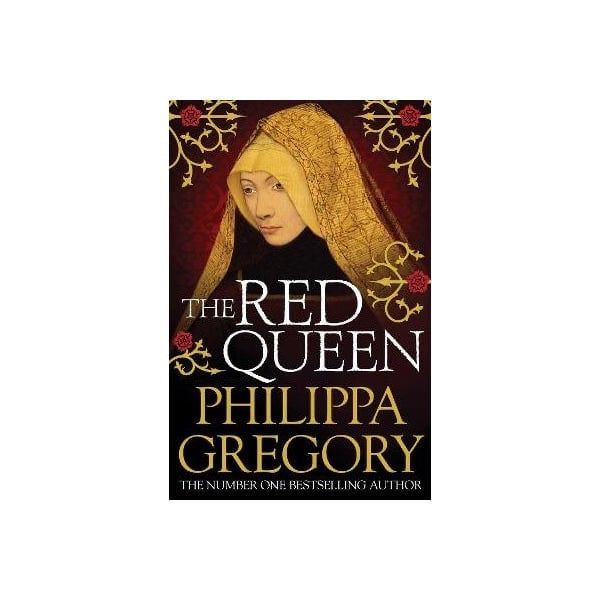
Some books you finish and close. The Red Queen I finished and wanted to argue with.
So let me write this differently. Let me write this as a letter to the woman who haunts its pages.
Dear Margaret Beaufort,
I should not admire you. You are everything I claim to despise—rigid, unforgiving, so certain of God’s favor that you mistake your own ambition for His voice. And yet, Philippa Gregory’s telling of your life left me with my hand pressed to my chest, wondering what it cost you to become the woman who buried three kings and outlasted them all.
You were twelve when they married you to a boy. Thirteen when you bore his son. After that, your body was finished with childbearing, but your mind was only beginning. You took that infant—Henry Tudor—and made him your religion. Not the God you prayed to seven times a day. Him. Your son. Your king. Your second chance at everything the world had stolen from you.
Here is what Gregory does that I cannot forget: she shows me your fear. Behind every prayer, every scheme, every ruthless calculation, you were terrified. Terrified that your son would die. Terrified that the York kings would crush him. Terrified that God might not, in the end, want what you wanted. So you made yourself harder than any woman should have to be. You turned your faith into a weapon. You taught yourself that mercy was weakness.
And you won.
Your son became Henry VII. Your grandson became Henry VIII. Your blood runs in the veins of every Tudor who followed. By every measure, you triumphed.
But here is the question that keeps me awake after reading your story: was triumph worth the woman you became? You never held your grandson. You never saw your son smile without calculating what it meant. You knelt in prayer so often that I wonder if you were speaking to God or begging yourself to believe that the ends justified the means.
Margaret, you taught me something I did not want to learn. That faith without humility is just another form of pride. That mothers can love their children so fiercely that the love becomes indistinguishable from control. That sometimes, the woman who wins loses everything that made her human.
I will never like you. But Gregory made me understand you. And understanding, I have learned, is harder than liking. It demands I look at my own certainties and wonder what I am sacrificing to keep them.
So thank you. I think.
—A reader who closed your book and sat in silence for a long time