
THE OTHER QUEEN
A novel by Philippa Gregory. Photo credits Amazon & Goodreads.
HISTORICAL FICTION
3/29/20262 min read
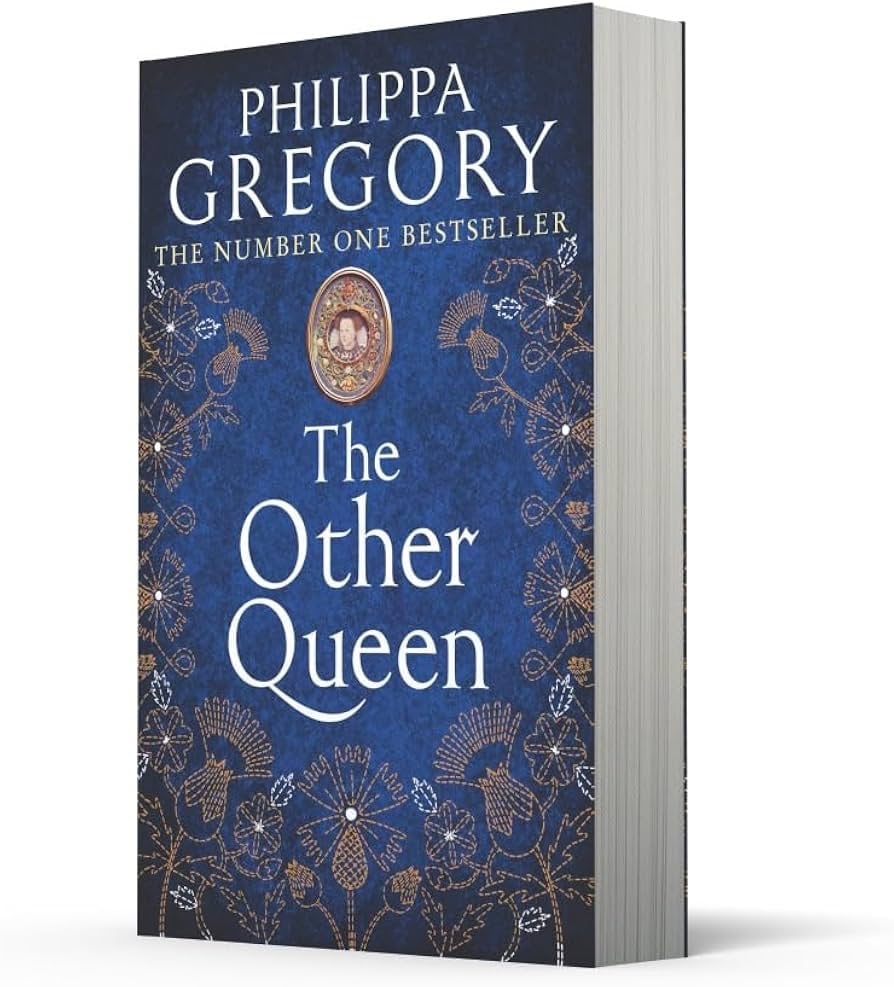
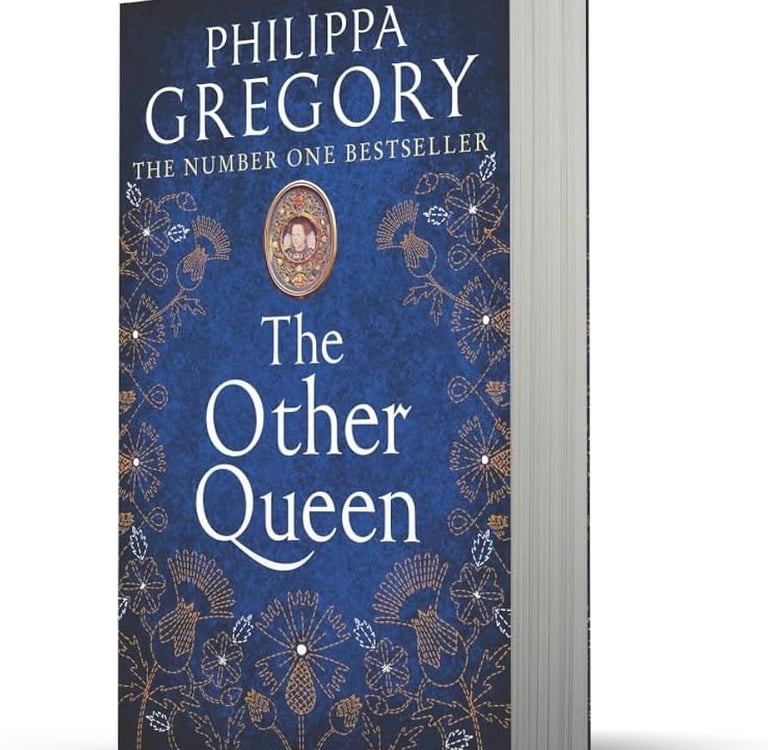
Some prisoners dream of escape. Mary, Queen of Scots, dreamed of something far more dangerous: a crown.
The Other Queen is not a story of captivity. It is a story of combustion—what happens when you lock fire inside a room and hope it will simply burn out. Philippa Gregory takes one of history's most enigmatic figures and sets her before us not as a martyr or a fool, but as a woman whose greatest weapon was herself.
We see Mary through three pairs of eyes, and each is a different kind of trap. There is Bess of Hardwick, the builder, the accumulator, a woman who measures worth in walls and silver and cannot understand a queen who measures it in glances and whispers. There is her husband, the Earl of Shrewsbury, tasked with guarding Mary and finding himself slowly, disastrously bewitched. And there is Mary herself—brilliant, restless, incapable of accepting that her reign is over.
What makes this novel so riveting is the unbearable tension of its premise. Mary is not in a dungeon. She is given houses, servants, letters, visitors—enough freedom to hope, never enough to act. And hope, for a woman like Mary, is the cruelest prison of all. She schemes from her gilded cage, writing letters in invisible ink, charming every man who crosses her path, believing with messianic certainty that God will restore her throne.
Gregory makes you feel the impossible position of her captors. Shrewsbury, trapped between duty and desire, watches his marriage crumble while Mary smiles. Bess, fierce and practical, watches her fortune drain away to house a woman she despises. And through it all, Mary spins her webs, never quite understanding that the spider always starves in the end.
The lessons here are devastating. It is a story about the difference between charisma and wisdom, about how the same magnetism that raises queens can destroy them. Mary never stops being a performer, even when the audience has left. She mistakes survival for victory, intrigue for power.
By the final, shattering pages—as the drums roll toward Fotheringhay—you understand the tragedy. Mary was not the rightful queen or the wrongful prisoner. She was simply a woman who could not stop reaching for a crown that was already on another's head. And in that reaching, lost everything. Unforgettable. Haunting. True.