
THE LAST TUDOR
A novel by Philippa Gregory. Photo credits Amazon & Knihobot.
HISTORICAL FICTION
4/26/20262 min read
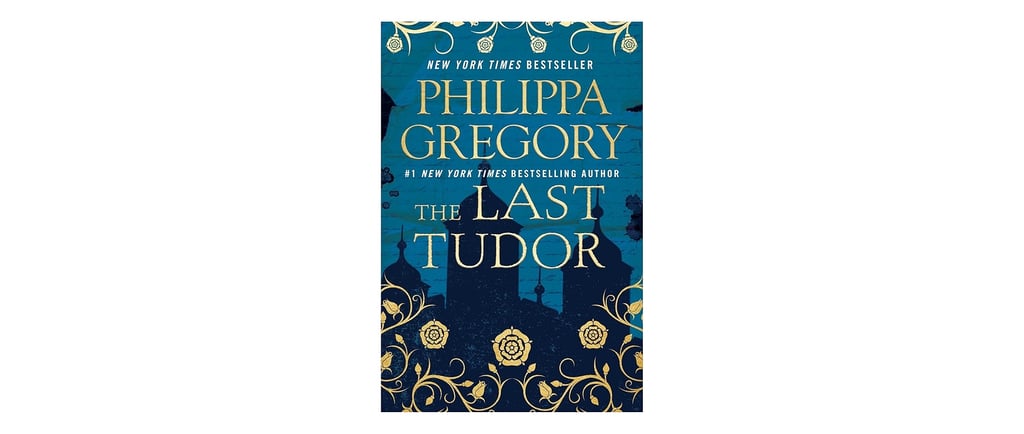
History remembers the Grey sisters as a footnote. Nine days. Three girls. One throne. But Philippa Gregory refuses to let them be footnotes. She drags them into the light, holds them up to the sun, and shows us the cracks where their humanity bleeds through.
The Last Tudor is not a novel about Jane Grey, though she dominates the first section. It is not a novel about Katherine Grey, though her love story breaks your heart. It is not a novel about Mary Grey, though her quiet endurance becomes its own kind of triumph. It is a novel about what happens to girls when their blood is worth more than their breath.
Jane speaks first because Jane always speaks first. She is brilliant, pious, certain of her place in God's plan. She accepts the crown like a martyr accepts the flame—because she believes it is His will. Gregory writes Jane with such fierce clarity that you love her even as you watch her walk toward the block. Her letters from the Tower, her arguments with the chaplain who fails to save her, her final moments with the sister who will outlive her—they are unbearable because Jane never doubts. Not God. Not her cause. Not her death.
Then Katherine speaks. And Katherine is everything Jane was not. She wants love. She wants children. She wants to be invisible, to disappear into a quiet life with the man she chooses. But blood does not forget. Blood does not hide. Katherine marries in secret, bears sons in terror, watches her cousin Elizabeth I destroy her for the crime of existing while royal. Her section is the longest, the most agonizing, because hope keeps flickering. Keeps dying. Keeps flickering again.
And finally Mary speaks. Mary, the smallest, the forgotten, the one everyone dismissed. She is deformed, they whisper. She is nothing. But Mary sees everything. She watches her sisters die, her nephews taken, her name erased. And she chooses something her sisters could not: survival. Not glorious survival. Not triumphant survival. Just survival. Small and quiet and stubborn as stone.
The lessons here are the cruelest yet. Jane teaches that certainty can kill you. Katherine teaches that love can kill you. Mary teaches that survival is not victory—it is simply not being dead when the sun rises. None of them win. None of them escape. But Mary, the last Tudor, the forgotten Grey, lives long enough to bury them all. And in that living, she becomes the most tragic figure of all: the one who remembers.
By the final page, you understand. The Grey sisters were not born to be queens. They were born to be warnings. And the last Tudor, the smallest, the quietest, carries their memory like a flame in a storm—flickering, fragile, refusing to go out.