
THE FIFTH MOUNTAIN
by PAULO COELHO. Photo credits Stanfords & Thepinaytraveler.
SELF-HELP
9/15/20252 min read
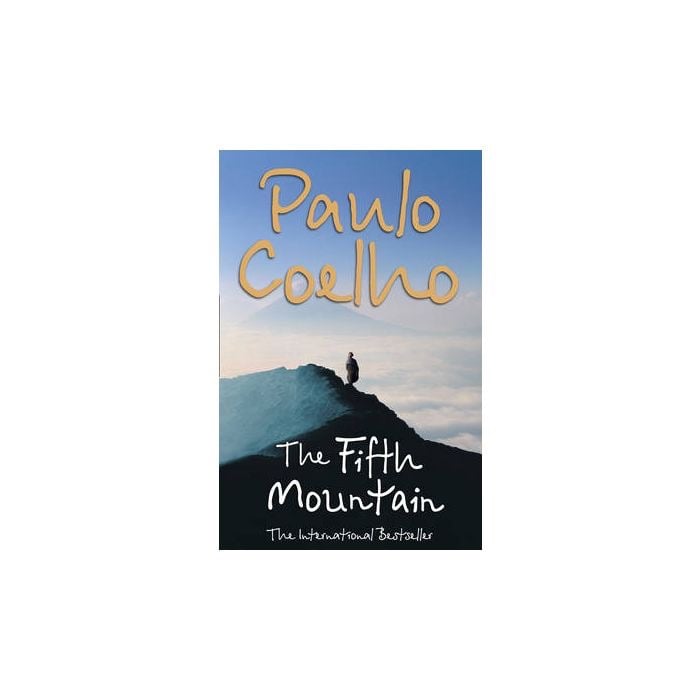
In an era defined by uncertainty, where the ground beneath our feet feels constantly shifting, Paulo Coelho’s The Fifth Mountain arrives not as a mere book, but as a balm for the weary soul. This is not just a retelling of the biblical story of the prophet Elijah; it is a profound exploration of human suffering, faith, and the incredible resilience we are capable of when all seems lost.
The narrative follows Elijah, a young prophet forced to flee his homeland, who finds temporary refuge in the Phoenician city of Zarephath. Just as he begins to find connection and purpose, tragedy strikes of biblical proportions. The city is ravaged, lives are shattered, and Elijah is left standing in the ashes, his faith tested by the timeless, agonizing question: Why do the innocent suffer?
This is where Coelho’s genius holds its most relevant mirror to our modern lives. We have all, in our own ways, stood atop the rubble of our personal "Fifth Mountains"—be it a lost job, a broken relationship, a period of profound grief, or the collective anxiety of a troubled world. Elijah’s journey teaches us that the purpose of the struggle is not to find a simple answer, but to discover a new way of being.
The most vital lesson for today is that destruction can be a precursor to rebirth. The people of Zarephath do not merely rebuild their city; they reimagine it. They learn from their mistakes, forge new bonds, and create a society stronger and more just than before. Coelho whispers to us through the ages: Your crisis is not the end of your story. It is the painful, necessary crucible that forges a stronger you, that clears away the old to make space for the new.
The Fifth Mountain is a touching testament to the power of choice. We cannot always control what happens to us, but we always retain the power to choose our response. Elijah chooses to serve, to love, and to rebuild. In a world that often feels fractured, his story is a riveting call to action. It urges us to embrace our struggles, to find our community, and to pick up the bricks, not with bitterness, but with the hope of building something beautiful from the ruins.
This book is a lighthouse for stormy seas, a reminder that even in our darkest hours, the human spirit carries an unyielding flame.