
THE CONSTANT PRINCESS
A novel by Philippa Gregory. Photo credits Paper Plus & Ebay.
HISTORICAL FICTION
3/15/20262 min read
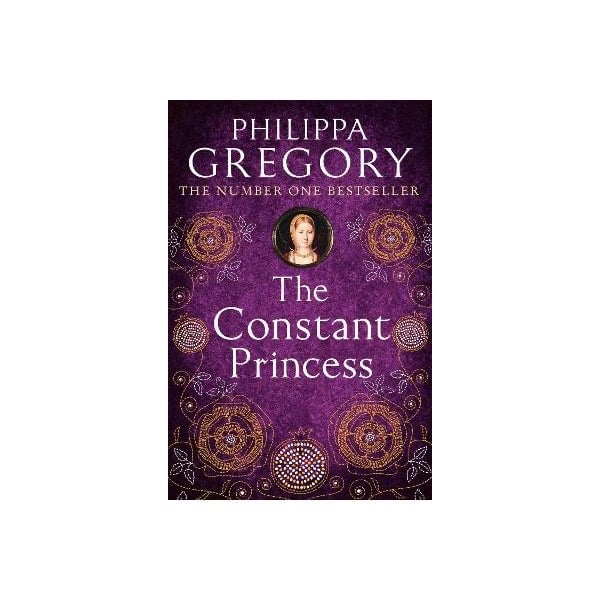
Of all the queens Philippa Gregory has conjured from the dust of history, Katherine of Aragon lingers longest in my heart. Not because she is the most dramatic—though her fall echoes through centuries—but because she loved twice, and the first love no one believed in became the prison of her second.
The Constant Princess begins in darkness. A young girl holds a dying boy in her arms, and in that moment, Catalina of Spain becomes someone she was never meant to be: a woman with a secret so profound that keeping it will cost her everything.
Gregory does something breathtaking here. She asks us to believe what history denies: that Arthur Tudor and his child bride truly loved, truly united, truly planned a future together. Their months together are rendered with such aching tenderness that when Arthur dies, you feel Katherine's grief as if it were your own. And when she makes her choice—to deny the marriage was consummated, to erase her first love to make way for her second—you understand that she is not lying. She is sacrificing. Sacrificing the truth of her heart for the dream Arthur placed in her hands.
The years that follow are the loneliest Katherine will ever know. Seven years of poverty, neglect, watching her father abandon her, watching her future hang on the whims of a miser king. She waits. She writes letters that go unanswered. She grows thin and desperate. And through it all, she carries Arthur's secret like a flame cupped against the wind.
When Henry VIII finally marries her, the triumph is hollow. We know what comes. We know the girl who will eclipse her, the daughter who will betray her, the husband who will discard her. But Gregory makes us hope anyway. Makes us believe that this time, maybe, constancy will be rewarded.
It is not. And that is the lesson that cuts deepest. Katherine teaches us that faithfulness is not a transaction. That loving well does not guarantee being loved well in return. That the truest love of her life was the boy who held her for a handful of months and then died, leaving her to spend forty years keeping a promise only she remembered.
Of all Gregory's books, this one touched me most. Because Katherine of Aragon was not just a queen. She was a woman who kept faith with the dead while living for the living, who told one truth by hiding another, who loved England so completely that she let England destroy her. And in that destruction, she became something rare: a woman whose constancy outlasted every king who tried to break it.