
TALKING TO STRANGERS
by MALCOLM GLADWELL. Photo credits Ability Consultants & Hodges Figgis.
SELF-HELP
9/18/20252 min read
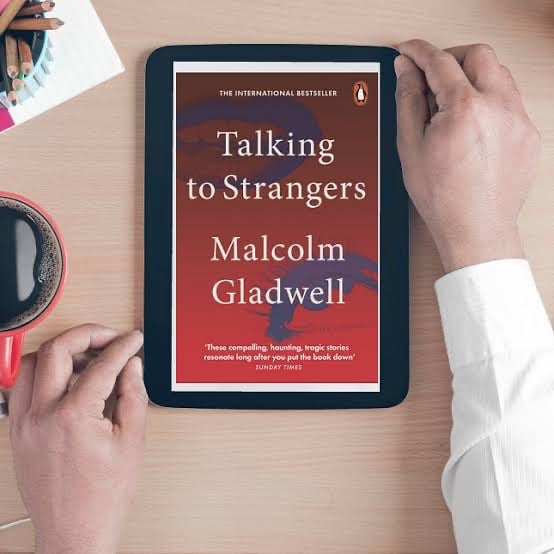
In our increasingly fragmented world, Malcolm Gladwell's Talking to Strangers offers a timely and disturbing examination of why human connections so often go wrong. Through gripping storytelling and compelling psychological research, Gladwell explores the cognitive biases that lead us to misunderstand people we don't know—with sometimes devastating consequences. This book isn't just fascinating social commentary; it's a practical guide for personal growth.
Gladwell introduces the concept of "default to truth"—our evolutionary tendency to believe others until confronted with undeniable evidence of deception . This automatic trust is what keeps society functioning smoothly; imagine the paralysis if we doubted every cashier, colleague, or stranger asking for directions.
So rather than fighting this innate tendency, we should recognize its limitations. In important situations, supplement trust with verification—not out of paranoia, but as a balanced approach to interpersonal interactions.
Oftentimes , we operate under the false assumption that strangers' emotions are written on their faces—that a nervous smile must mean deception or tears necessarily indicate grief. Even trained professionals perform barely better than chance at detecting deception through demeanor alone.
It is paramount then that we suspend judgment when someone's reaction doesn't match your expectations. Their internal experience may not align with outward expressions, especially across cultural contexts.
Through "coupling theory," Gladwell reveals how behavior is often tied to specific contexts and circumstances . Suicide rates dropped dramatically in Britain when they switched from toxic coal gas to natural gas, disproving the assumption that suicidal people would simply find another method . Similarly, crime in Kansas City was reduced not through broad initiatives but by targeting specific high-crime streets .
Therefore, when trying to understand behavior, consider the surrounding environment and circumstances rather than attributing everything to personality or character. This perspective fosters empathy and more effective problem-solving.
We have to embrace humble skepticism: Balance default-to-truth with awareness of its limitations. Important decisions benefit from additional verification while maintaining general trust in everyday interactions.
Question your assumptions: When someone's behavior seems odd, consider cultural differences, neurodiversity, or situational stress rather than jumping to negative conclusions.
Create better contexts: Recognize that environment shapes behavior. Whether improving workplace culture or community safety, focus on changing contexts rather than just blaming individuals.
Practice structured communication: Especially in high-stakes interactions with strangers, use clear questions and active listening to minimize misinterpretation.
Gladwell doesn't offer easy solutions because none exist. Instead, he provides something more valuable: the wisdom to approach strangers with humility, curiosity, and awareness of our own limitations. By implementing these lessons, we can begin bridging the gaps between us—one careful conversation at a time.